Analysis of the popurrí of La Oveja Negra
I'm back once again with a literary analysis with philosophical overtones (the music I leave to the musicians), written from the subjectivity of someone who is trying to offer a view of the text and subtext without fanaticism or academicism.
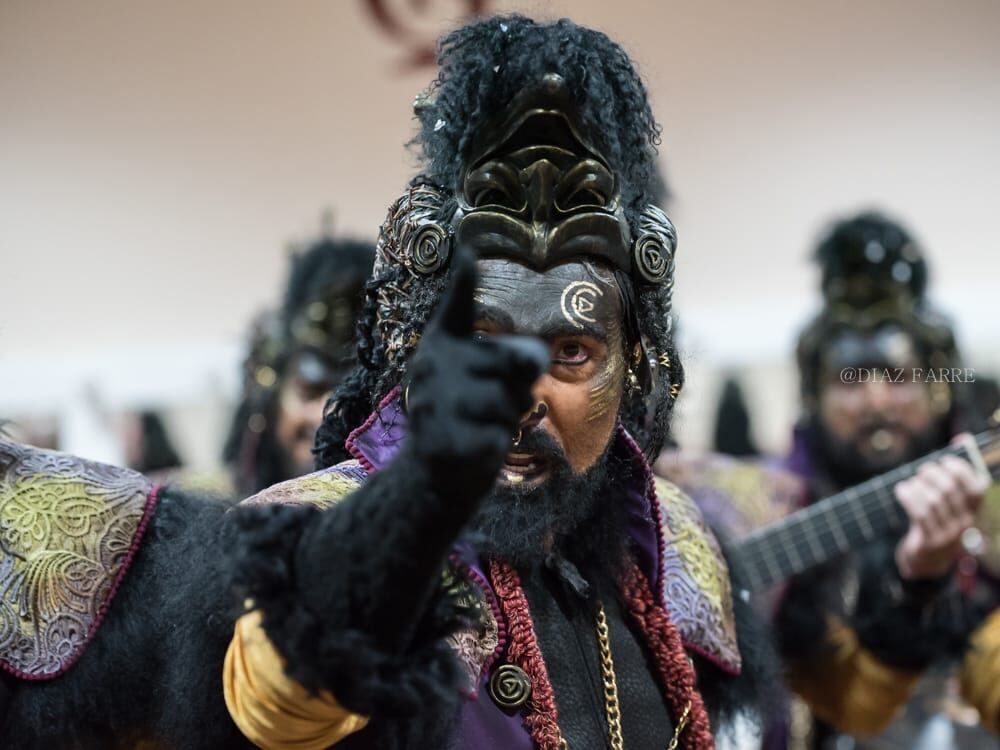
I'm back once again with a literary analysis with philosophical overtones (I leave the music to the musicians), written from the subjectivity of someone who is trying to offer a view of the text and subtext without fanaticism or academicism.
The cuartetas could be fitted into the typical beginning, middle and end of any narrative, although I prefer to fit them into the classic four-act structure of cinema.
The first act begins with the birth of the character (THE BIRTH OF THE BLACK SHEEP), followed by the description of the context in which he lives (THE FLOCK OF THE BLACK SHEEP).
The second act (THE BALLAD OF THE BLACK SHEEP) develops the story that wants to be told and the conflict (THE WOLF AND THE BLACK SHEEP). Curiously, the love story would be an open subplot, an appendix that is not key and could be removed, but which serves to go even deeper into the character.
During the third act (THE SLAUGHTER OF THE SHEEP) the character understands his situation and reflects; it is almost a revelation. Finally, the fourth act, or denouement (THE DISOBEDIENCE OF THE BLACK SHEEP) is an epic ending: powerful, direct, moving, passionate and dramatic (not necessarily sad).
Without further dilation (as a midwife would say), let's go through the analysis cuarteta by cuarteta:
THE BIRTH OF THE BLACK SHEEP
Nací una noche plata de carnavales,
sonaba el grito de un pueblo por las calles
Mi madre me miró a los ojos y dijo: “Dios mío,
un rebelde a este mundo he traío”
Noté un latido acompasao,
un tres por cuatro desbocao,
con el paso lento de los primeros intentos
conseguí abrir la ventana
Entró el levante a saludarme:
“Esta es tu tierra, yo soy tu aire”,
cuando quise darme cuenta con la piel aún negra y fresca
me entregué a la madrugada
Me amamanté con el calostro de la mar,
mi lana olía a tribu vieja y libertad,
hipnotizado y poseído, proferí el primer balido
y me puse a llorar y a cantar y a cantar
Con vino dulce una mujer me bautizó,
con un tanguillo vi brillar mi primer sol
Mi vida había comenzao y ya estaba enamorao,
esa fue mi perdición
Nací una noche plata de carnavales,
un rebelde, un rebelde, un rebelde parió mi mare
The character is born to a mother who instantly recognises the rebelliousness of her child, during Carnival and, specifically, in Cádiz ‘noche plata de carnavales’. An earthly, everyday beginning ‘...sonaba el grito de un pueblo por las calles // Mi madre me miró a los ojos y dijo: Dios mío, // un rebelde a este mundo he traío’ that quickly flows into a metaphorical and poetic development that is very much of Cádiz. The reference to the Levante, suckling at the sea, the tanguillo, the wine… although the verse that fascinates me most is ‘mi lana olía a tribu vieja y libertad,’ which alludes to the wise forebears of Cádiz and of Carnival who came before him and, of course, to the key concept of the tipo in all its aspects: freedom. Finally, it closes as it began, even in the music, ‘Nací una noche plata de carnavales, // un rebelde, un rebelde, un rebelde parió mi mare’
It is very curious and paradoxical that in the whole popurrí the word Cádiz does not appear even once, although it is very present, symbolically speaking, throughout the text.
THE FLOCK OF THE BLACK SHEEP
Un pastor y dos leones
con un hierro incandescente
me marcó como a un esclavo
“Ahora a mí me perteneces
A partir de este momento,
como el resto del rebaño,
sentirás la piel quemada
por febrero cada año”
Me encerró con viejas glorias
con sus cuernos bien presentes
Mucho humilde disfrazao,
mucho coro y pocas nueces,
capitanes narcisistas,
vendepolvos del colmao,
hembras hartas de la ordeña,
subversivos callaos
Graciosillos por cojones,
fantasmones de la calle,
vitalicios presidentes,
aquí no se salva nadie
Carneritos que cantan y cantan y no cuentan nada
Jueces que un día perdieron torneos y no han olvidao
Todos pidiendo guerra y vacías las barricadas
Ese es mi ganao, ese es mi ganao
Amiguitos ladrones, la envidia llena el establo
ni los muertos se libran de su porción de castigo…
Desde entonces en el lomo clavao llevo sus cuchillos
Having described his birth in the first cuarteta, he moves on to describing his life within the flock, his relationship with the world as a whole and with those who make it up.
Hercules as a symbol of Andalusia ‘Un pastor y dos leones’ impose his path in life on him ‘con un hierro incandescente // me marcó como a un esclavo’. Then he narrows it down, focusing on February (Carnival), when he has to adopt a submissive attitude ‘Ahora a mí me perteneces // A partir de este momento, // como el resto del rebaño, // sentirás la piel quemada // por febrero cada año’ At the end of this stanza, subtly, the coreao makes a ‘shiiii’, calling for silence.
The boy from Santa María comes up against the old guardians of pure Carnival and their desire to revolutionise, to rebel, so typical of youth. He confronts the falseness, the narcissism and the barbs of the coros. ‘Me encerró con viejas glorias // con sus cuernos bien presentes // Mucho humilde disfrazao, // mucho coro y pocas nueces, // capitanes narcisistas, // vendepolvos del colmao,’ A context full of people grateful for what they have been fed, who repudiate and cut dead any act that implies a change to the status quo. ‘hembras hartas de la ordeña, // subversivos callaos’
Once the context is described, he starts to lay into his fellow performers in the category for their lack of commitment. ‘Carneritos que cantan y cantan y no cuentan nada’ He lays into the jury, who are only a jury to take revenge for some old quarrel ‘Jueces que un día perdieron torneos y no han olvidao’, and into the way Carnival people ask for commitment, but when it comes to getting their feet wet, nobody shows up ‘Todos pidiendo guerra y vacías las barricadas’
That is Ares's context ‘ese es mi ganao’, where friends have robbed him, literally or not so literally ‘Amiguitos ladrones, la envidia llena el establo’ For all this, for rebelling against everything described ‘Desde entonces en el lomo clavao llevo sus cuchillos’ Curiously, in the costume there are literally three daggers stuck in. Is the three symbolic? Jury, friends and fellow performers in the category? Is it like Peter when he denied Jesus three times?…
THE BALLAD OF THE BLACK SHEEP
Blanca, toda ella era blanca,
olía las flores de la plaza España
Me observó furtiva,
me hirvió enseguida el tuétano y el alma
Blanca, menudita y blanca,
Agaché la testa, no solté palabra,
acercó su hocico,
tenía los ojitos esmeralda
Blanca, me dio mi primer beso en una mañanita malva,
pintando de colores mi oscurita y fría estampa,
trotamos por el prado yo seguía sus huellas blancas,
blancas…
Blanca, un mar de lagrimitas y sin doblar la espalda
se perdió para siempre, cada día echo el ancla,
esperando que vuelva y esta pena disuelva… Blanca…
Yo conocí a una ovejita,
se llamaba Ana María,
era negra y era blanca
según le daba la luz del día
A love scene, in which the game with the sheep character continues. Hidden here is a tribute that everyone recognised, but if you missed it or have only just entered the world of Carnival, let me clear it up:
It refers to a cuarteta from the popurrí of Los Piratas, their legendary comparsa of 1998 ‘Yo conocí a una ovejita, // se llamaba Ana María, // era negra y era blanca // según le daba la luz del día’ Here I leave you the original moment it pays tribute to. https://youtu.be/ZA-JS4IPtn4?si=ZU0k_lL4-D3M5oug&t=214
If we replace the love story with a story of longing, perhaps we could describe this cuarteta as a nostalgic song to the best moment in life, carnivalesquely speaking, of Antonio Martínez Ares.
THE WOLF AND THE BLACK SHEEP
Sobran borregos, faltan ovejas negras
Sobran borregos, faltan ovejas negras
cuando el lobo asoma sus colmillos y asalta la reja
El lobo está en las manos de los curas pederastas,
los labios asesinos de los hombres de la casa,
bajo la corbata verde, la soga de un fascista,
entre oriente y occidente y sus dioses terroristas
En las urnas que lloran por ti, Argentina,
en Ucrania, Yemen, Siria, Somalia, Palestina
En un rey que manda muertos como droga al estrecho,
en los puños de tres críos frente a uno en el colegio
Y rumiando y rumiando en un pasto de bobos
ni sentimos ni vemos que escondío en un recodo
ahí está el lobo, ya viene el lobo
Sobran borregos faltan ovejas negras… (¡Auuu¡)
Despertad animalitos, nos tienen acobardaos
Se acabó estar sometidos, dominaos, amaestraos,
anestesiaos, domesticaos
Faltan ovejas negras, sobran borregos
Faltan ovejas negras sobran borregos
cuando el lobo asoma sus colmillos afilando el miedo
The halfway point of the popurrí. If the previous cuarteta referred to more personal or local themes, this one focuses on national, global and current problems.
The cuarteta opens with ‘Sobran borregos, faltan ovejas negras’ and closes with ‘Faltan ovejas negras, sobran borregos’, the same device, used to good effect.
It ends with a lapidary phrase ‘cuando el lobo asoma sus colmillos afilando el miedo’. This phrase sums up perfectly the consequences of rebellion: when you rebel you create discomfort and repulsion in the opponent against whom you direct it ‘el lobo’. He responds with a warning ‘enseña sus colmillos’ and carries out an action ‘afilando el miedo‘ in this case fear of all those who question his authority.
The denunciation across the cuarteta is very varied: paedophilia in the church ‘El lobo está en las manos de los curas pederastas’, psychological abuse as gender violence ‘los labios asesinos de los hombres de la casa’, the advance of the far right ‘bajo la corbata verde, la soga de un fascista,’ conflicts between East and West ‘entre oriente y occidente y sus dioses terroristas //En las urnas que lloran por ti, Argentina, // en Ucrania, Yemen, Siria, Somalia, Palestina’, the small boats coming from Morocco ‘En un rey que manda muertos como droga al estrecho,’ bullying ‘en los puños de tres críos frente a uno en el colegio’.
The coreaos are wolves howling; the second voices and the coreaos of this cuarteta are sublime.
He not only denounces, he also urges everyone to rebel, to become black sheep ‘Y rumiando y rumiando en un pasto de bobos // ni sentimos ni vemos que escondío en un recodo // ahí está el lobo, ya viene el lobo’ to stop being lambs. He tries to awaken consciences in the face of passive individuals ‘Despertad animalitos, nos tienen acobardaos // Se acabó estar sometidos, dominaos, amaestraos, // anestesiaos, domesticaos’.
THE SLAUGHTER OF THE SHEEP
El adiós en los ojos de los viejos de la casa
De uno en uno caminan sin fe sin esperanza,
alguien comenta: “Un día nos tocará también la matanza”
Han echao el candao al camión de los suplicios,
una generación hoy servirá de sacrificio
y mi negrura quiebra las ataduras del cobertizo
El beso de mis padres en el barro se quedó
presente en la retina llantos, gritos de dolor
Corro como el viento, imposible de llegar
Juro con mi sangre que esta me las pagarán
Yo no soy un manso como el resto del corral
Corderito de dios ya no creo en tu cielo, tu mágico reino,
abomino de ti, un discípulo más del diablo me has vuelto,
echo al fuego tu libro mentiroso, tus palabras de amor
Corderito de dios, dónde está el paraíso que prometiste,
tu biblia es una cruz, el cuchillo cristiano de un matarife,
solo queda, solo queda mi rebelión
He observes how everyone around him has given up ‘El adiós en los ojos de los viejos de la casa // De uno en uno caminan sin fe sin esperanza, // alguien comenta: “Un día nos tocará también la matanza” // Han echao el candao al camión de los suplicios, // una generación hoy servirá de sacrificio’
Only he reacts ‘y mi negrura quiebra las ataduras del cobertizo’. I love this way, so poetic and so true to the tipo, of describing learned helplessness ‘Han echao el candao al camión de los suplicios’ he has received so much pain that he no longer even feels it: resignation.
He recalls his childhood, the values his parents gave him, the bad times, and refuses to take a passive attitude like the rest ‘El beso de mis padres en el barro se quedó // presente en la retina llantos, gritos de dolor // Corro como el viento, imposible de llegar // Juro con mi sangre que esta me las pagarán // Yo no soy un manso como el resto del corral’
The rest of the cuarteta is a dialogue between the character and God (the Christian God), in which he has lost his faith ‘Corderito de dios ya no creo en tu cielo, tu mágico reino,’ The concept of the lamb of God is very present in the texts of the New Testament. He has not only lost his faith, it is a reproach to the one by whom he feels deceived ‘abomino de ti, un discípulo más del diablo me has vuelto, // echo al fuego tu libro mentiroso, tus palabras de amor’ He feels it is a burden on his life, he feels that his only way out is to rebel. ‘Corderito de dios, dónde está el paraíso que prometiste, // tu biblia es una cruz, el cuchillo cristiano de un matarife, // solo queda, solo queda mi rebelión’
THE DISOBEDIENCE OF THE BLACK SHEEP
Destrocé la maldita alambrada cautiva
Me escapé trasquilao de esta perra vida
El pastor ha soltao tras de mí a sus bestias
Se acabó, da comienzo mi desobediencia
Parto hacia la batalla no llevo bandera,
solo una guitarra y mi calavera,
me voy con mi gente a esparcir las simientes de la libertad
A cambiar el mundo con canciones,
llegando a los huesos, los tendones
A morir matando si hace falta
que si algo nos sobra es la rabia
La marca del hierro me quema
En el horizonte la mar
Acoge niña a esta ovejita negra,
ábreme la puertecita, ay mi Tacita, del carnaval
Carnaval canalla e insolente
Carnaval, cunita de rebeldes
Carnaval, milagro de febrero
Carnaval la madre del cordero
Carnaval, carnaval, carnaval….
Carnaval
Every good story has to end, and this one does so in style. The character escapes from the shepherd, from this society, from the system ‘Destrocé la maldita alambrada cautiva // Me escapé trasquilao de esta perra vida // El pastor ha soltao tras de mí a sus bestias // Se acabó, da comienzo mi desobediencia’
So how does he do it? With the tools of everyone in Carnival, with freedom of thought ‘Parto hacia la batalla no llevo bandera’, with his voice and his music ‘solo una guitarra y mi calavera’, creating awareness ‘me voy con mi gente a esparcir las simientes de la libertad’, with his coplas ‘A cambiar el mundo con canciones, // llegando a los huesos, los tendones’ How far? ‘A morir matando si hace falta // que si algo nos sobra es la rabia’
He is fully aware of his situation ‘La marca del hierro me quema’ but is convinced that Cádiz and Carnival are the way out ‘En el horizonte la mar, Acoge niña a esta ovejita negra, // ábreme la puertecita, ay mi Tacita, del carnaval’.
From here on it explains itself. A flood of voices from Ramoni, Fali and especially Cateto crowns an almost operatic ending. Measured, tuned and worked to the millimetre by Antonio Martínez Ares and Geni Cheza.
Many say it is Antonio's best comparsa since his return; I differ a little. La Eternidad is, for me, his most complete comparsa (pre-viento de trece años), not the best, but the most rounded.
This is the tipo of the black sheep, the concept is very, very powerful and Antonio has known, like no one else, how to wring from it every last drop of originality and quality.
Main photo from https://www.facebook.com/LaComparsaDeMartinezAres taken by @farre_diaz
Keep reading
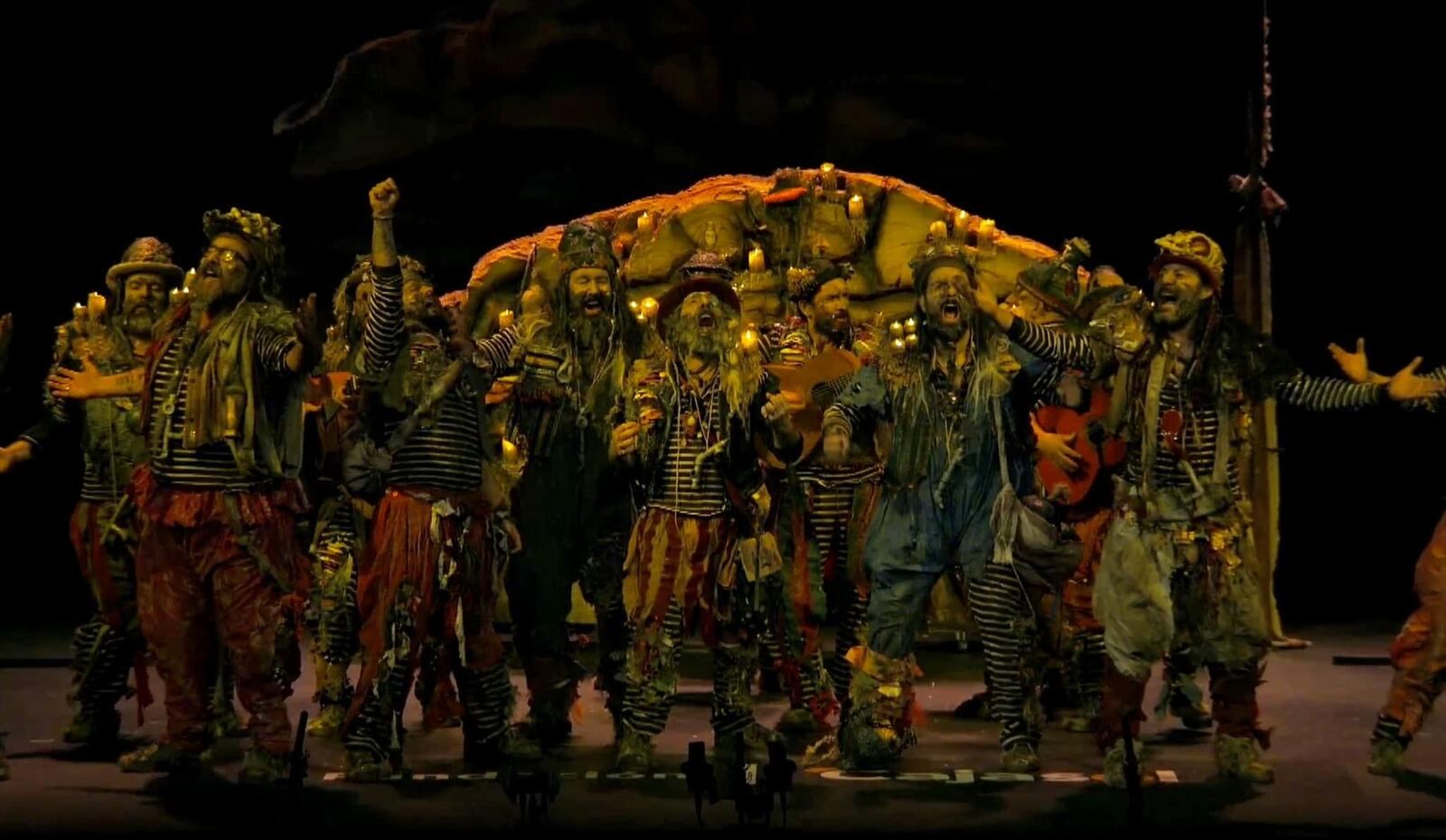
Analysis of the popurrí of La ciudad invisible
Analysis of Antonio Martínez Ares's popurrí this year, 2023, with his comparsa «La ciudad invisible», focusing on the performance, musically splendid and full of comparsa details from the 1990s.

Learning Web Components
What are Web Components? Web Components are a group of standard web technologies that let you create reusable custom elements with their own structure, style and functionality, completely encapsulated and isolated…
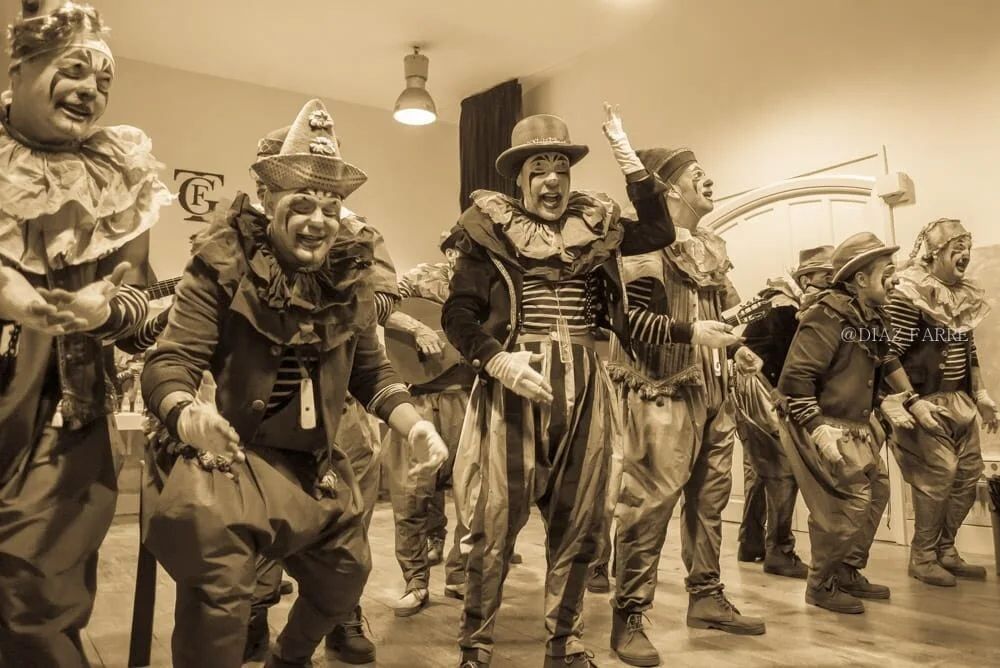
Carnival: Analysis of the popurrí of Los Sumisos
The bass drum gives way to the snare, the cymbals in the form of a tinkle, the guitars prepare the arrival of the punteao, a sound closer to the Cuban Alameda than to the Cádiz one introduces us to the first quatrain.